What We Heard From Indy’s Neighborhoods This Summer
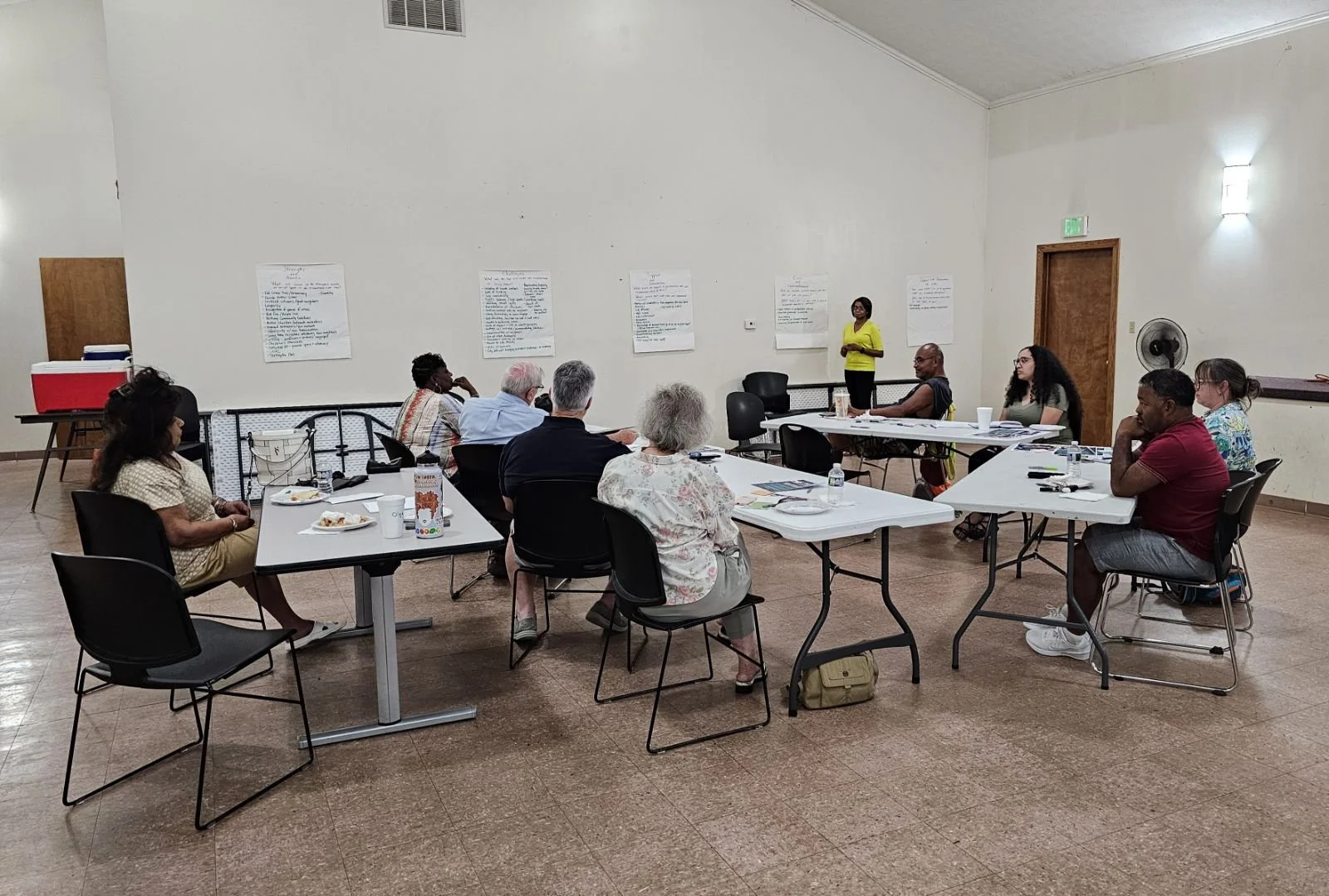
This summer, INRC hit the road (and Zoom) to listen. From Beech Grove to Haughville, from Midtown to the Northwest side, neighbors showed up with honesty, pride, and a whole lot of love for their communities. The goal was simple: understand what’s working, where folks are feeling the pressure, and how INRC can better support resident-led change across Marion County.
And let me tell you… our neighbors had some things to say.
Across conversations and written feedback, one theme rang loudest: our neighborhoods are rich with assets, but they’re carrying heavy burdens, too. Below is a snapshot of what we heard.
What Neighbors Love About Their Communities
Every single session started with the bright spots. And y’all, the list was long.
Neighbors talked about:
Deep community pride and the way people “feel like family”
Diversity across culture, age, and lived experience
Strong institutions like schools, libraries, community centers, churches, gardens, and youth programs
Parks, trails, greenways, and public spaces that anchor whole communities
Neighborhood traditions like National Night Out, block festivals, food truck events, Feast of Lanterns, Haughville Mini Expo, and more
Long-term residents who’ve held things down through decades of change
Even in places experiencing rapid transition, neighbors repeated one thing: the people are the glue.
The Challenges We Heard Again and Again
While every neighborhood has its own flavor, many of the pain points were the same no matter where the feedback came from.
1. Housing instability
Residents named rising rents, displacement, predatory buyers, absentee landlords, and a lack of affordable options as top concerns. Many don’t know their rights or how to navigate complex housing systems.
2. Infrastructure issues
This was one of the most consistent and urgent themes. Neighbors shared concerns about:
Unsafe or missing sidewalks
Poor lighting
Dangerous crossings
Narrow roads
Potholes and deteriorating streets
Vacant or blighted properties
Several residents described their areas as places where basic infrastructure “lags behind,” especially compared to other parts of the city.
3. Safety concerns
Gun violence, speeding in residential areas, traffic hazards, and pedestrian safety came up repeatedly, especially for families, elders, and people who rely on walking or transit.
4. Too few places to gather
Many neighborhoods lack the basics, like sit-down restaurants, coffee shops, youth spaces, or indoor community hubs where connection can actually happen.
5. Limited civic access
A big theme across feedback was a desire for:
Clarity on who represents them
How decisions get made
How to contact city departments
How to be heard in public processes
How to advocate without feeling overwhelmed
Residents want to participate, but they need the tools to do it confidently.
What Neighbors Say They Need to Thrive
These weren’t just concerns, they were solutions. And they were incredibly consistent across conversations and survey responses.
Neighbors told us they need:
Flexible funding for neighborhood-led projects
More youth programs and intergenerational opportunities
Training and skill-building, especially in grant writing, civic education, conflict resolution, community organizing, and forming/strengthening associations
Clearer, more accessible information about available resources
Better communication with elected officials and city departments
Partnerships with schools, universities, developers, local businesses, and community institutions
And perhaps the most heartwarming request? Neighbors want connection across neighborhoods. They want to learn from each other, share what works, and build something bigger together.
How INRC Is Responding
Everything we heard this summer will shape the work we do next.
Here’s where we’re already leaning in:
Expanding training opportunities through Spark Sessions, ICBI, and new civic education offerings
Developing clearer resource hubs and neighborhood data tools
Strengthening cross-neighborhood collaborations and peer learning
Supporting neighborhoods in planning, community engagement, and leadership development
Amplifying resident voices with partners, funders, and city leaders
Advocating for equitable investment in neighborhoods that have carried decades of underinvestment
This listening tour wasn’t a one-off, it’s a commitment. And we’re grateful to every neighbor who showed up, spoke up, and trusted us with their stories.
Thank You, Neighbors ❤️
To everyone who attended a session, completed the online survey, invited us into your space, or shared candidly about what keeps you hopeful: thank you. Your voices are shaping the future of INRC’s work, and together, we’re building the kind of city where every neighbor has the opportunity, resources, and community to thrive.
If you’d like to stay involved, partner with us, host a conversation, or learn more about the work ahead, visit inrc.org or join our newsletter for updates.
We’re just getting started… and we’re doing this together.